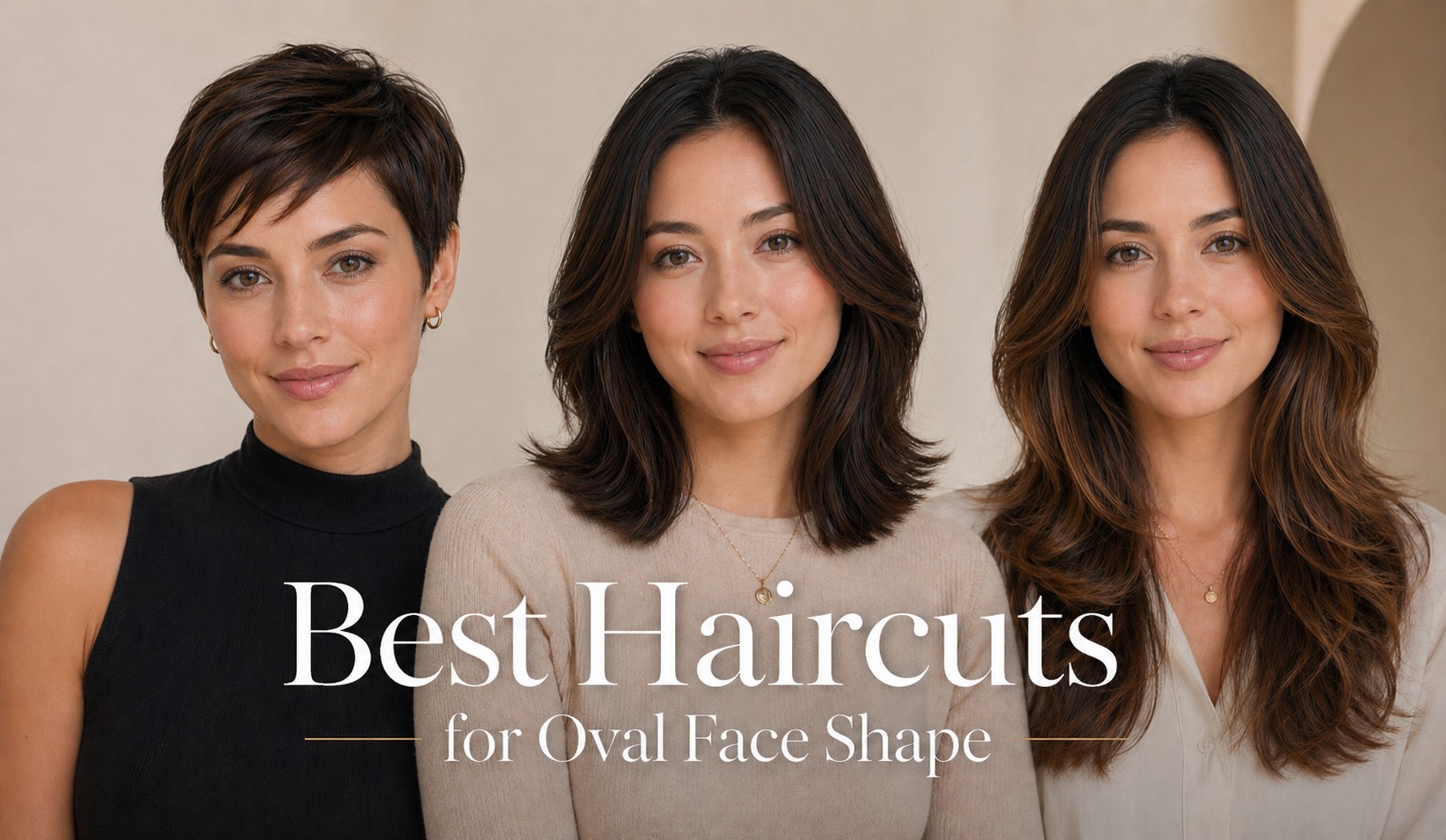
- Key Takeaways
- Identifying your oval face
- The forehead
- The cheekbones
- The jawline
- The proportions
- The best haircuts for an oval face
- 1\. Short styles
- 2\. Medium lengths
- 3\. Long layers
- 4\. Bangs variations
- Why oval faces are so versatile
- Natural balance
- Symmetrical canvas
- Proportional harmony
- Styling beyond the cut
- Texture matters
- Volume placement
- Parting strategies
- The psychology of your haircut
- Projecting confidence
- Reflecting personality
- Evolving your look
- Common oval face haircut mistakes
- Conclusion
- Frequently Asked Questions
- How do I know if I have an oval face?
- What haircuts flatter an oval face the most?
- Are bangs good for an oval face?
- Why are oval faces considered versatile for haircuts?
- What styling tips work beyond the haircut?
- What are common mistakes with oval face haircuts?
- How can my haircut affect how I feel?
Key Takeaways
- Determine if you have an oval face, with equal proportions, a softly rounded hairline and chin, and cheekbones as the widest point. Grab a mirror and a basic checklist to compare forehead, cheekbones, and jawline width to confirm symmetry.
- Opt for cuts that celebrate symmetry, ranging from pixies and lobs to long layers. Keep ends soft, add some light layers, and use bangs, either curtain or side-swept, to highlight your eyes, forehead, or cheekbones.
- Steer clear of bold, blunt lines at the jaw or bangs that trim the face shorter. Go for movement and blend down to maintain the natural flow of an oval shape.
- Style with your texture in mind and add volume where it flatters most, like the crown or mid-lengths. Change your part for a modernized look and to avoid flat roots.
- Let your haircut be a projection of confidence and personality via considered shape, discreet tweaks, and regular trims. Tweak length, layers, or fringe as your lifestyle and aspirations change.
- Get to work today by checking off your face-shape checks, selecting two haircut choices that get you hyped and scheduling a consultation. Reference photos are always helpful, and talk about texture, maintenance and daily styling requirements.
Oval face haircuts are styles that surround symmetrical features with gentle curves and malleable forms. Popular options are long layers below the chin, blunt bobs at 30 to 35 centimeters, and shoulder-length cuts with face-framing pieces.
Side parts provide width, and curtain bangs disrupt length without concealing cheekbones. For curly hair, stacked layers maintain spring and minimize weight.
To balance hair type, daily routine, and styling time, the following section maps cuts to real life needs.
Identifying your oval face
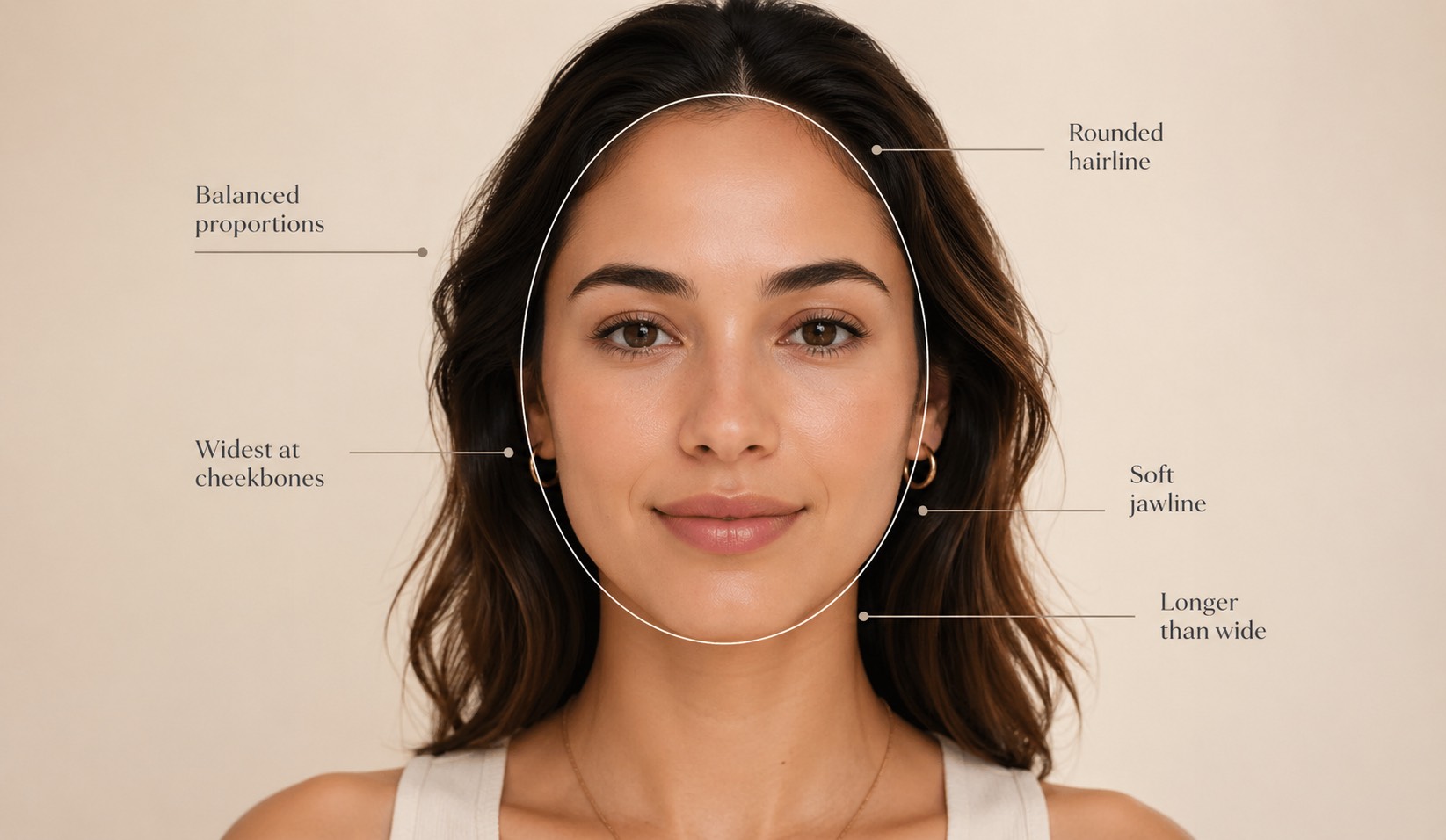
Oval faces are known for balance, with a gently rounded hairline and chin, near-equal widths across the forehead, cheeks, and jaw, and a length that is a bit more than the width. This shape rocks lots of different cuts, from soft layers to sleek bobs, as the proportions are balanced and lines are smooth.
Find your oval face by standing in front of a mirror in bright light, tying your hair back, and scanning for symmetry before you select a cut.
The forehead
Your oval forehead is typically a whisker wider than your jawline, nothing dramatic, just enough to transition the face into a gentle taper. If your hairline swoops in a gentle arc, without obvious corners or a pronounced widow’s peak, you’re good to go.
The slope from forehead to temples appears smooth and balanced, which is why side parts look so sharp here; they glide along that curve and inject some sophistication.
For bangs, light hands. Wispy fringe, airy curtain bangs or a soft side-swept arc complement the rounded line rather than frame it. A heavy, straight, blunt fringe can feel stiff on an oval, while a feathered edge keeps the flow.
The cheekbones
Cheekbones on an oval are typically the widest, falling just beneath the eyes and curving the face with no hard angle. That gentle swell leaves space for a lot of shapes to lay nicely.
A layered bob that brushes the cheeks can frame this region. A soft shag can drop texture right at the point where the cheek hits its peak.
Use cheekbone height to set angles. If your cheekbone is high, begin layers there to inject lift. If it’s moderate, start layers near the mouth line so volume doesn’t overwhelm the eyes.
Think of Jennifer Lopez or Julia Roberts. Both wear waves and layers that highlight this arc without bulk.
The jawline
Your oval jawline is smooth and rounded, coming to a jaw that neither juts hard nor squareshoulders in. Maintain this momentum. Heavy, blunt chops that land on the jaw can read boxy.
Cuts that breathe, long layers, soft waves, and even a tidy, textured pixie echo the curve and maintain balance.
If you’re into short hair, observe how Charlize Theron or Cameron Diaz have a soft lift at the crown and light edges close to the jaw. That lightness maintains the oval's tranquil contour.
The proportions
Length is typically around one and a half times the width. Even features, no one zone – forehead, cheeks or jaw – dominates. That harmony is why curls, waves, or subtle layers work so well: they add movement without breaking scale.
From pixies to long, flowing locks, oval faces rock it all. Side parts and wispy fringes provide intent, not weight.
Real world cues?
- Proportion checks:
- Face length is approximately one and a half times the width of your face, measured with a ruler in centimeters.
- Forehead, cheekbones, jawline widths feel near-equal.
- Hairline and chin both rounded, no sharp corners.
- Cheekbones are widest point, just under the eyes.
The best haircuts for an oval face
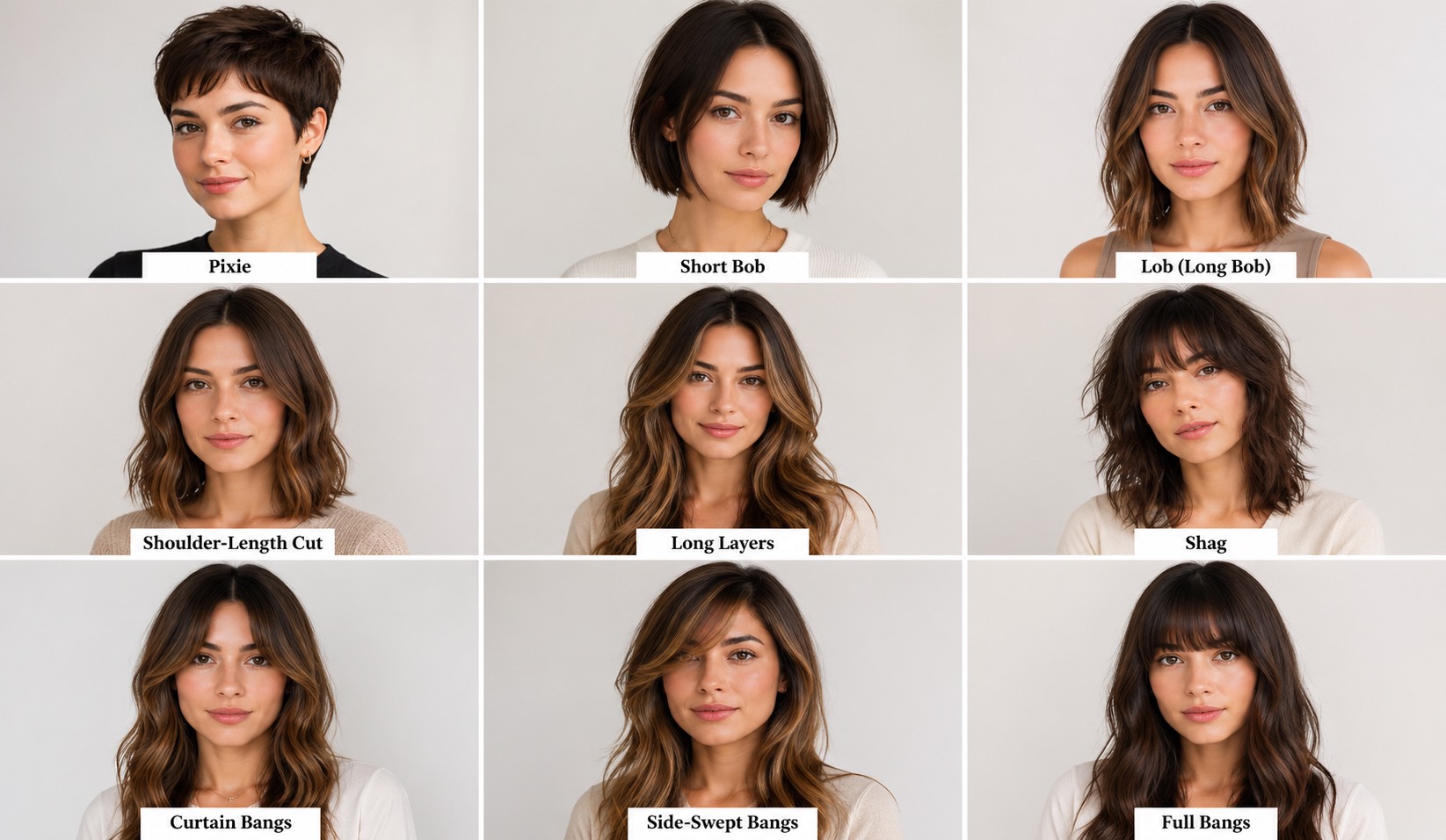
Oval faces look good with pretty much any haircut, making this shape easy to style and great to experiment with. The trick is to maintain its natural equilibrium while directing the attention to your favorite features. Wavy hair is a great fit here, as soft movement complements a narrow chin and smooth jaw.
Use the guide and table below to align length, texture and styling with your lifestyle.
| Haircut type | Why it works on oval faces | Best features highlighted |
|---|---|---|
| Pixie | Shows balanced bone structure; light lift at crown | Eyes, cheekbones |
| Short bob | Frames without bulk; modern shape control | Jawline, lips |
| Lob (long bob) | Versatile; easy to style straight or wavy | Cheekbones |
| Shoulder length | Frames without overpowering; great with waves | Jawline |
| Long layers | Keeps length while adding air and flow | Cheekbones, length of neck |
| Shag | Movement through soft or choppy layers | Eyes, texture |
| Curtain bangs | Balance forehead; soften lines | Eyes, cheekbones |
| Side-swept bangs | Asymmetric focus; lengthens face line | Eyes |
| Full bangs | Bold frame if light and soft at edges | Eyes, brows |
Short styles
Pixie cuts and short bobs complement the oval face’s balance. A close pixie with a hint of height frames the face and draws attention to the eyes. A jaw-length bob with a sharp baseline frees the jaw without overburdening it.
For a contemporary edge, go for an edgy pixie with choppy layers or a soft shag with feathered ends. Both introduce movement, which maintains equilibrium on an oval face.
Short cuts are perfect if you want to highlight your cheekbones. Style with a light matte paste and a side part. Stay away from boxy, blunt shapes that mute the natural curve of your jaw and temple.
Medium lengths
Shoulder-to-chest-length cuts allow space to experiment and still frame the face nicely. A lob lands in the sweet spot for most, providing straight days and wavy days with equal ease.
Give it gentle layers to ignite movement without hijacking the face. A textured lob or collarbone bob looks fresh and complements most hair types. Maintain the ends neat and not very thick to capture a balanced outline.
Long layers
Long hair adores layers on an oval face. Airy, long layers maintain the length and add lift and swing that prevents a heavy, flat wall of hair.
Leverage layering to construct dimension in thick or wavy hair. Soft waves or loose curls highlight the chin and jaw gently. Blend the ends so they melt, not stack.
Curtain bangs or lightly face-framing pieces create visual interest without chopping off length.
Bangs variations
Curtain bangs, wispy fringes and side-swept bangs look good on oval faces. Even full bangs can work when edges are soft and weight is light.
Match bang style to texture: fine hair likes light, airy cuts. Thick hair needs internal thinning for flow. Bangs can be used to highlight the eyes or to soften a sharp feature, and maintain a trim schedule of 4 to 6 weeks to hold its shape.
For wavy hair, let the bend guide the part for a carefree, lived-in streak.
Why oval faces are so versatile
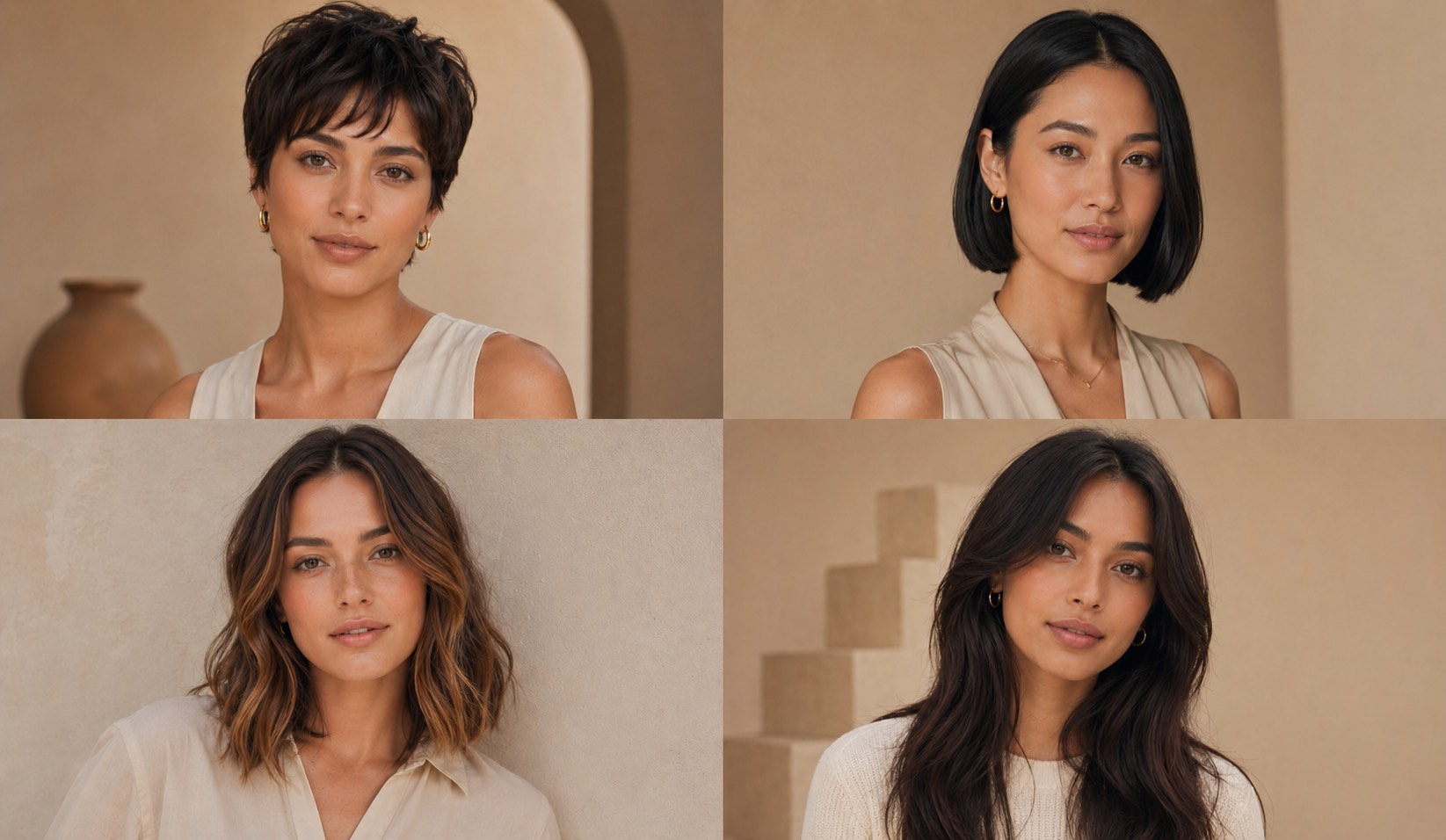
Oval face shapes are softly tapered and balanced, featuring a subtle extension toward the chin. This inherent symmetry allows the majority of hairstyles to lay well, from wispy bangs to blunt bobs, making it effortless to toggle between timeless and fashion-forward styles.
Natural balance
It’s the even lines of an oval face that make bold choices safer. A close pixie, a blunt bob that hits at the jaw, and long layers past the chest all land in a sweet spot because the face doesn’t battle the shape. You can shove into choppy shags, micro-bangs, or carved curls and remain a composed canvas.
Most styles complement the contours with minimal effort. Shoulder to chest-length cuts frame without stealing the spotlight, and they play well with waves or curls that add movement. Give a soft bend with a 25 mm iron, air-dry for loose texture, or scrunch in light cream. Small efforts produce a finished look.
Minimal styling takes you a long way. Switch your part from the middle to a deep side to redirect attention. Tuck one side, clip back the front, or sweep bangs to one edge to show off your cheekbones. These tweaks maintain the balance and keep it fresh.
Symmetrical canvas
Consider your face a canvas for layers, bangs, and parts. Curtain bangs can skim the brows, side-swept bangs cut across the forehead, and wispy fringe soften the eyes. All sit well because the base is even. Place layers where you want emphasis: cheekbone, jaw, or collarbone.
A center part has a clean, modern feel, whereas the offset part adds instant edge. That symmetry is what makes runway concepts manageable in everyday life. Sleek, straight hair looks crisp because planes of the face register clean. A chic blowout rounds the tips for soft shine.
Classic updos, such as low chignons, french twists, and braided crowns, remain balanced and neat. Asymmetry for drama without sacrificing harmony. A side-shaved panel, an angled lob longer in front, or a deep side part with one ear exposed builds tension while the face keeps the look grounded.
Proportional harmony
Balance cuts with length and body for different hairstyles. Longer styles, especially those suited for an oval face shape, look great when worn with layers, soft waves, or curls that give the hair body and movement. This ensures that the additional length isn’t dragging the face down. If you add volume at the crown, offset it with light face-framing near the jaw to enhance natural beauty.
Let proportion direct variation in haircuts. If you have thin hair, add hidden layers and a blunt edge to maintain weight. For those with thick locks, reducing bulk with internal layers while keeping clean lines through the perimeter will ensure movement. Stay away from extremes that can distort your face shape.
Aim for a uniform shape from root to tip in your hairstyle so all sides look seamless. This is particularly important for oval face shapes, as it helps maintain the natural symmetry of your features.
Styling beyond the cut
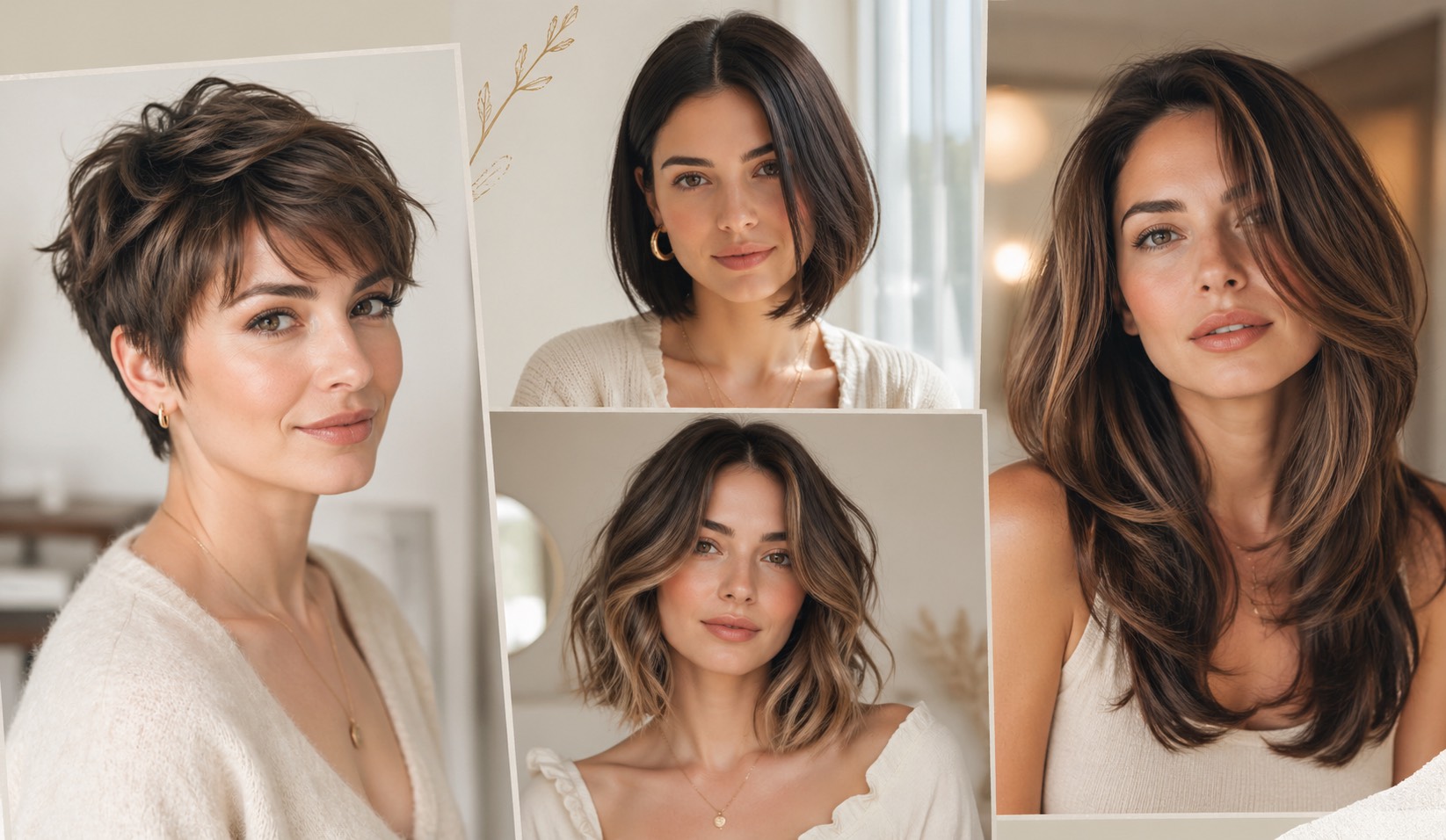
Oval face shapes have balanced forehead-to-jaw ratios, so polish and nuance, not correction, are what styling is all about. When considering different hairstyles, styling beyond the cut, daily habits, smart tools, and texture-friendly products shape how a cut reads on your face. Sweep hair back from your face to expose facial features, or leave soft movement around the cheeks to add warmth.
Texture matters
Styling goes beyond just the trim; it’s about enhancing your natural beauty. Wavy hair sparkles with soft bends, and tossing a little curl on face-framing pieces beautifully complements the natural symmetry of your oval face shape. Curly or coily hair requires shape-preserving cuts and diffused drying techniques that keep coils defined and lively.
When choosing hairstyles, pick cuts that serve your strands well: fine hair does great with blunt ends, micro-layers, and curtain bangs for soft framing. For those with thick locks, internal layering helps shed weight while maintaining shape. Curly textures thrive with rounded shaping and long layers that direct bounce, making them perfect for oval face shapes.
Texturizers, not torcher! A round brush for a sleek bend, a 19 to 25 mm iron for tousled waves, or a diffuser to add root lift. Think sea salt spray for grit, a light mousse for body, and a leave-in styler to seal in moisture, de-frizz, prevent breakage, add shine, and protect against heat.
Avoid daily high heat and heavy manipulation; air-dry whenever possible. Set bends with cool air or pin clips to maintain your flattering haircut. Remember, excess styling is required beyond your cut for the best results.
Volume placement
Styling past the cut. Lift at the crown elongates and flatters. Soft fullness at the sides expands the mid-face for balance. Airy ends keep movement light. Stay away from packing volume at the jawline, which can disrupt the oval flow.
Styling beyond the cut: After washing, use a medium round brush to lift roots during drying. Then blow hair back away from the face. Diffuse curls on low heat, scrunching up from the ends to maintain body without frizz. Beyond the cut: For sleek days, smooth the surface but maintain some root lift so hair doesn’t appear flat.
Dial it in: sleek for quiet polish, voluminous for drama. Both pay homage to the oval shape.
Daily checklist for busy mornings:
- Apply leave-in styler on damp hair (2–3 pumps).
- Quick root lift: a 2-minute blast with a round brush or diffuser.
- Define the front: Bend face-framing pieces away from the face.
- Part, smooth flyaways, and mist light hold. Done.
Parting strategies
Switch up the part, switch up the frame. Center parts come off clean and modern, just as great with curtain bangs that bring in those soft curves. Deep side parts look divine on oval faces, adding immediate lift and a touch of asymmetry. A little zigzag camouflages thinning areas and injects body at the root.
Use your parting to direct the eye. A side part highlights one brow arch or cheekbone. A center part balances the mirror. Change your part every few days to avoid flat hair and encourage scalp health.
Match to your cut and vibe: waves for ease, curls for movement, and straight for structure. Add in curls, waves, or a little layering when you desire more movement without sacrificing balance.
The psychology of your haircut
Haircuts affect your self-perception and your visual communication with others. Oval faces find balance with ease, so the pickings are plenty. That freedom can boost confidence or, if unfurled, muddle identity. Research connects specific hairstyles with impressions of trust and attractiveness, and cuts that complement face shape alleviate insecurity. A style that clashes can ignite nitpicking and stress.
Culture, personal taste, and goals all go into what you pick and how you feel in it.
Projecting confidence
Confidence booms when your cut aligns with you and your days. Whether you have an oval face shape, in which case you can go for sleek bobs, long layers, or cropped cuts, it just comes down to you feeling comfortable. When you check your reflection, you hold yourself taller and articulate better. That feedback loop is important for those with different face shapes.
Statement bangs, sharp center parts, or a blunt bob can all demonstrate precise attention. Soft waves, air-dried texture, or a low-maintenance lob can feel open and warm, especially for those with an oval face shape. If you want a creative edge, experiment with asymmetry, micro fringe, or a sculpted pixie. The focus is purpose, not amplitude or distance.
Maintain trims every 6 to 8 weeks for bobs or pixies, and every 10 to 12 for long layers, so the cut appears deliberate, not haphazard. A quick daily touch-up, such as a 3-minute root blowout or slight curl through the mid lengths, tells the world you’re in control and cared for, enhancing your natural beauty.
- Pick comfort first; confidence follows.
- So you don’t get overwhelmed, use one strong feature (part, fringe, line) to anchor the look.
- Schedule trims; staleness chips away at authority.
- Keep a simple styling plan you can repeat.
- Coordinate finish (sleek, matte, glossy) with your message.
Reflecting personality
Hair is fast psychology. Playful? Choppy layers, piecey ends, or curtain bangs maintain movement and playfulness, especially for those with an oval face shape. Elegant? A one-length bob at the jaw with a clean finish reads crisp and polished, making it a great choice for oval face shapes. Edgy? A shaved nape or undercut injects bite without obscuring an oval’s equilibrium. Classic? Long, even layers with a soft side part remain timeless in any environment, particularly for those with a long face shape.
Color changes the narrative. Glossy black feels polished, warm caramel highlights feel friendly, and pastel tips lean artsy. Texture does the same. Defined coils show strength and joy, while loose waves feel relaxed. Pin-straight lines say minimal, fitting various face shapes.
With seasons of life, styles come and go. A new job, new parent, or new city can demand a reduced-fuss style or a power line. Experiment with clips, scarves, or a sleek bun on hectic days to maintain identity without a complete restyling.
Keep experimenting with small adjustments until a style feels like home, ensuring you find the right hairstyle that complements your unique features.
Evolving your look
Change keeps your style in sync with your growth. For an oval face, you can go from a collarbone lob to a chin bob or a pixie to a shag without tipping the scales. Subtle shifts such as face-framing layers, a wispy fringe, or a deeper part refresh mood without shock.
Plan the next cut with a simple brief: what you want to signal (steady, warm, bold), how much time you have per day, and two photo references from public figures whose hair echoes that message. Fashions may point the way, but your habit determines what endures.
Common oval face haircut mistakes
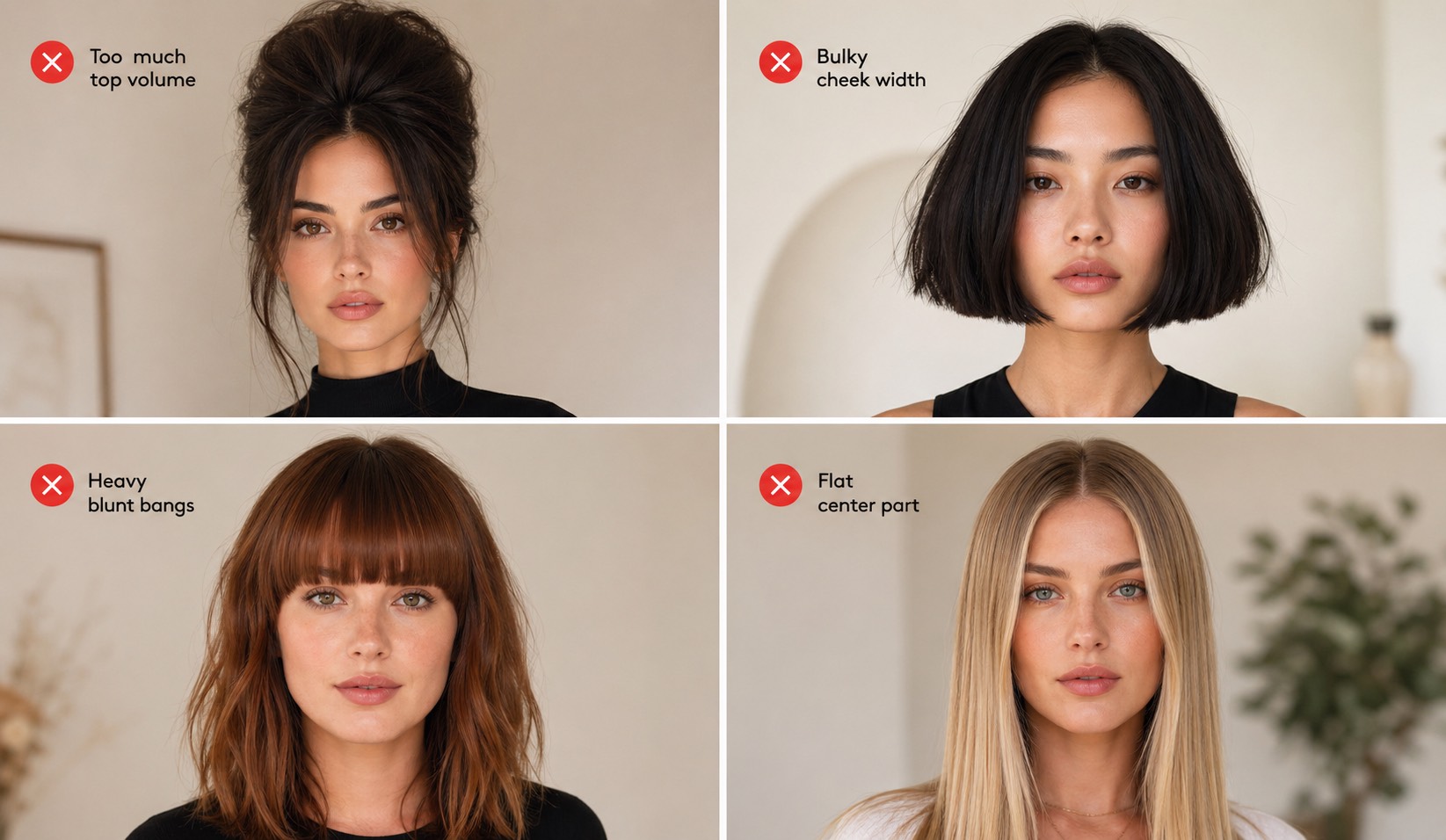
Oval face shapes rock plenty of styles, but that leeway can lure laziness. The aim is equilibrium. A great haircut will honor your features, hair texture, and lifestyle. The mistakes below illustrate what disrupts balance and how to repair it quickly.
| Mistake | What it looks like | Why it’s a problem | How to fix |
|---|---|---|---|
| Too much height on top | Tall quiff, stacked crown | Makes the face look longer | Keep top volume under 3–4 cm; spread lift to the sides and back |
| Excess width at cheeks/jaw | Heavy bobs, boxy layers | Widens the mid-face, kills balance | Soften with tapering near cheeks; add light face-framing pieces |
| Ignoring hair texture/thickness | Fine hair over-layered, thick hair under-textured | Mismatch causes limp or bulk | For fine hair, use light, long layers; for thick hair, debulk with slide cuts |
| Skipping trims | Split ends, frayed outline | Loses that clean oval-friendly edge | Trim every 6–8 weeks; dust ends between visits |
| Trend-chasing without fit | Viral micro-bangs, wolf cuts on unsuited hair | Style fights features and upkeep needs | Test with styling first; adapt length and weight to you |
| Blunt, straight-across bangs | Heavy fringe line | Creates a hard bar across a soft shape | Try soft, piecey, or side-swept bangs; curve the edge |
| Neglecting jawline and chin | Cut stops at the widest point | Draws the eye to less-loved areas | End lines above or below that point; add angles to redirect |
| Over-symmetry | Both sides mirror-perfect | Can read flat on an oval | Add a side part, off-center fringe, or uneven tuck |
| No movement or texture | One-length, stiff finish | Face looks flat, less depth | Add waves, C-shape layers, or soft bends |
| Fighting natural curves | Straight lines against a curved face | Breaks harmony | Follow cheekbone arcs; curve layers along the face |
Think balance above all. If you have bold cheekbones, avoid thick cheek-level weight. Opt instead for light layers that brush past them. If your chin is pointed, a chin-length bob with a slight bevel will help soften it, especially for those with an oval face shape.
If your chin is round, leave the edge a few centimeters below with a soft angle to elongate. Keep an eye on volume placement. A compact lob with light internal layers flatters most oval face shapes, but adding 5 to 6 centimeters of height at the crown makes the face read longer.
Spray lift with a round brush through the mid-lengths instead. For waves or curls, maintain volume evenly distributed from the eye to the collarbone, not piled on top of the head. Match the cut to your hair. Flat, fine, straight hair flops with too many short layers.
Request long, sneaky layers and a blunt baseline for support. Thick or curly hair puffs with blunt ends. Take bulk out using slide or point cuts, then shape with a curl cream. Bangs require curve and air.
A soft, sloped fringe that hits the brow bone and slightly lifts at the edges frames an oval face shape beautifully with no hard line.
Conclusion
Oval faces provide a broad playground. Short blunt bob? Clean. Long layers with soft face frames? Shag with light fringe? New. Every cut changes how your features read. A deep side part can add lift. A smooth middle part can demonstrate symmetry. These little hacks establish the vibe for work, evenings on the town or chill days.
Real talk from the chair: a millimeter off the fringe changed one client’s brow line. Her eyes were shining. Her jaw came on sharp. Little steps count.
To secure a style that suits your life - go to WhatIsMyFaceShape and find out your personal ideal hairstyle for your oval face.
Frequently Asked Questions
How do I know if I have an oval face?
Take note of your face shape, as knowing your oval face shape can help you choose the right hairstyle. An oval face is longer than wide, characterized by balanced features and a slightly rounded jaw, making it a flattering haircut for many styles.
What haircuts flatter an oval face the most?
Pretty much any hairstyle works for oval face shapes. Top picks include long layers, blunt bobs, lobs, curtain bangs, soft shags, and pixies with volume. Maintain equilibrium by accentuating cheekbones and eyes while avoiding heavy bulk around the crown that makes it too long.
Are bangs good for an oval face?
Yes. Curtain bangs, wispy fringe, or side-swept bangs promote balance and frame the eyes for different hairstyles. If you have a long face shape, stay away from ultra-short micro bangs because they add height, and request soft texture for movement.
Why are oval faces considered versatile for haircuts?
The proportions of oval face shapes are balanced, allowing for length and width to harmonize. This balance flatters most face shapes and textures, providing the liberty to experiment with different hairstyles fearlessly.
What styling tips work beyond the haircut?
Use products for your hair to enhance your natural beauty. If you have fine hair, consider a flattering haircut that adds volume at the crown. Define texture with cream or mousse for waves and curls, and explore different hairstyles to find what suits your face shape.
What are common mistakes with oval face haircuts?
Heavy layering at the crown, combined with a super flat top and heavy ends, can conceal prominent features such as the ears. To enhance your natural beauty, it's essential to pair your haircut with the right hairstyle that complements your hair texture and lifestyle.
How can my haircut affect how I feel?
A proportioned, face-favoring haircut can increase confidence and presence, especially for those with oval face shapes. Defined lines and nourished ends convey attention and vitality, allowing you to feel comfortable and showcase your natural beauty more often.