A guide to oval face shapes
Explore an oval face description, compare the outline you see, and decide which styling questions matter to you.
Explore face shapes ↗Start with the visible outline. A shape word can help you describe what you notice, while your own preferences guide what you try next.
Start observing ↗Find useful words
Zenni Optical’s face shape guide describes an oval outline as longer than it is wide, with softly rounded contours. Look from your forehead past your cheekbones toward your jawline and chin. Does the outline seem to lengthen gently and turn without sharp corners? These are words for what you see, rather than a measurement you need to meet.
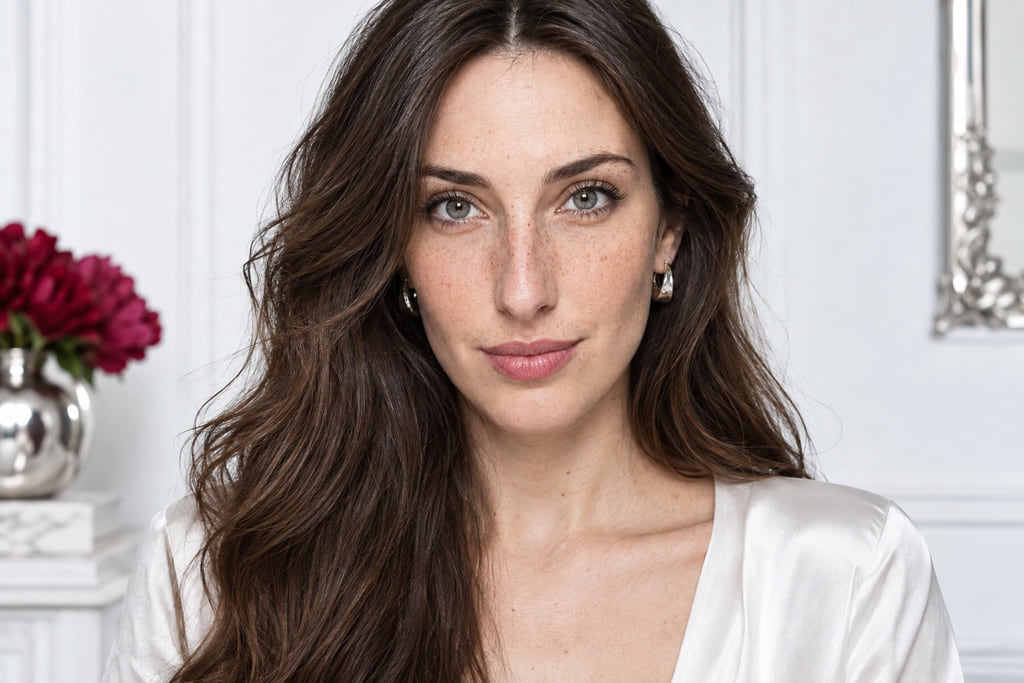
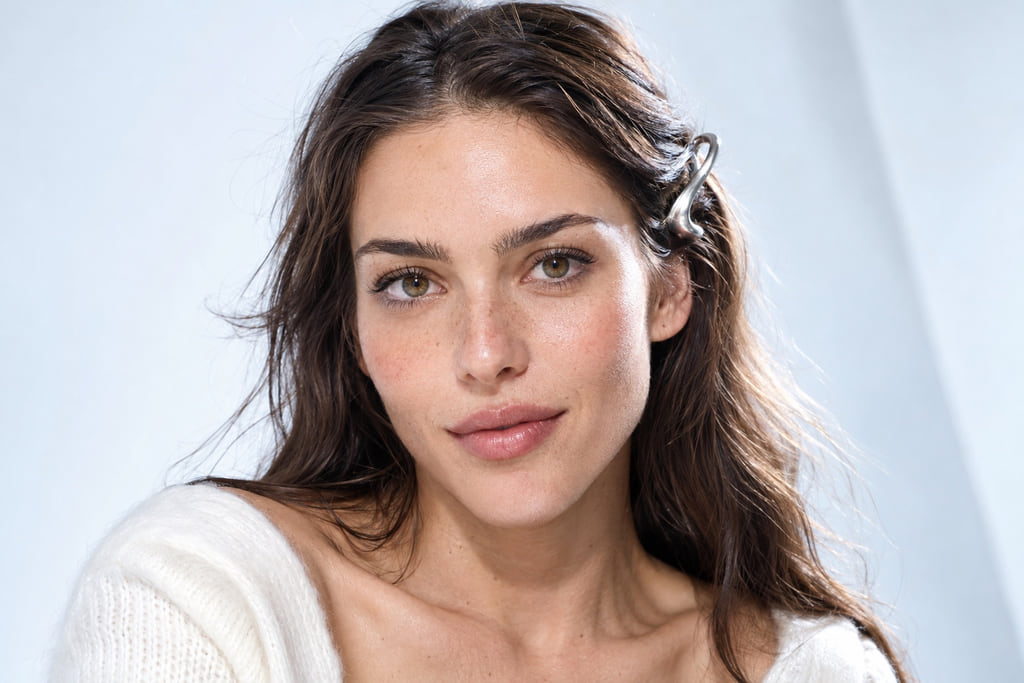
An overall outline never describes every detail of a person. Your nose, eyebrows, skin texture, and hairline remain individual features, whether “oval” feels useful to you or not. Try a note such as “longer outline, softly curved jaw” and keep any other details that you notice. If you want a more deliberate way to look, Start observing with the site’s checklist.
Compare nearby descriptions
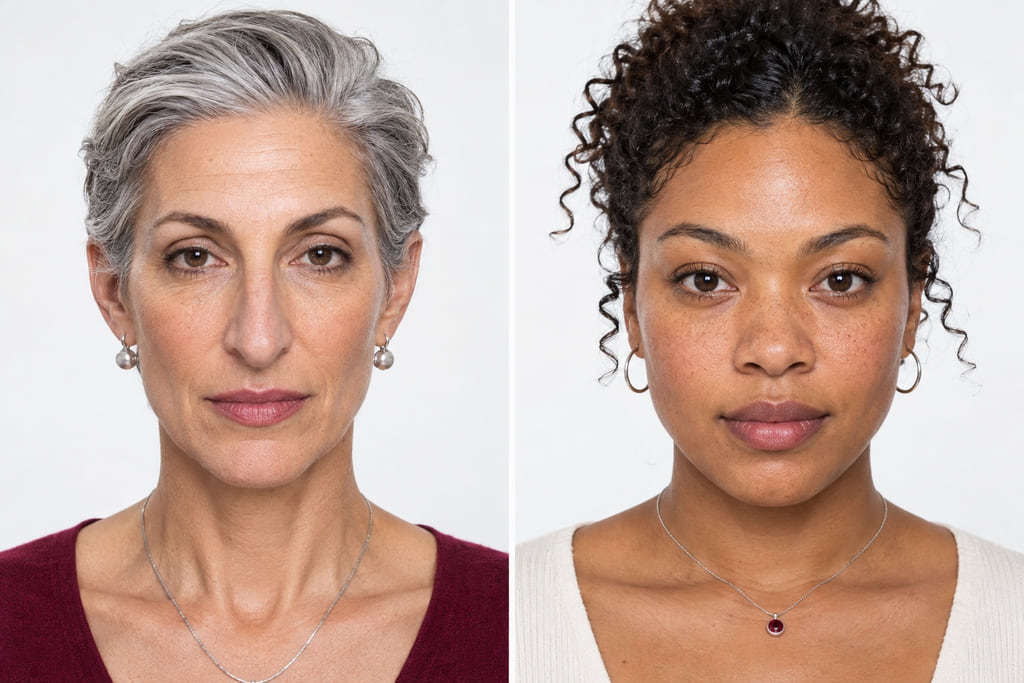
“Oval” is not the only useful word for a longer outline. Zenni’s oblong description uses the words “long, narrow silhouette.” You might recognize a softly rounded outline in one description and a longer, narrower impression in the other. This guide sets no numerical boundary between them.
Oval description
Longer than wide, with softly rounded contours in Zenni’s guide.
Oblong description
A long, narrow silhouette in Zenni’s eyewear guide.
You can keep both words in your notes if each helps describe something you see. There is no need to settle on a final class before making a style choice. Zenni presents face shape suggestions as possibilities and makes room for personal preference; the descriptions can work the same way for you.
Explore face shapes ↗Make a styling choice
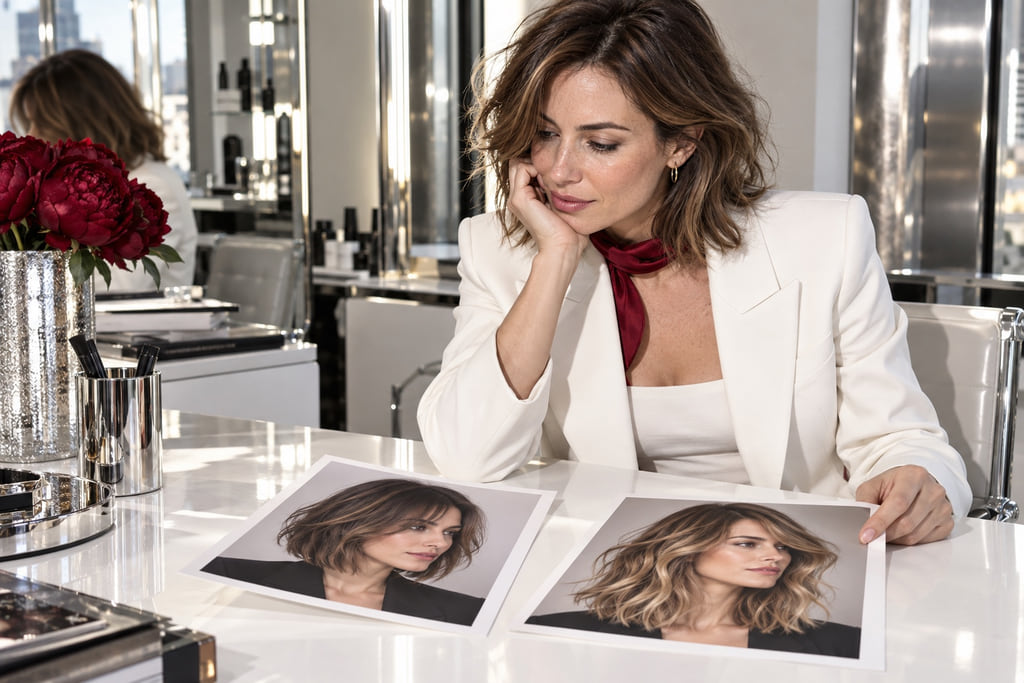
If you are considering an oval face haircut, begin with your hair rather than a rule for a label. What is your natural texture? How much time do you want to spend styling it each day? Hair.com’s haircut consultation advice includes texture and daily routine among the questions to discuss. Bring a reference for a cut you like and ask how it might work with your hair.
The same approach works for oval face glasses and other details. Try frames for fit, comfort, and the look you enjoy. A shape description does not make every haircut or frame an automatic match. Write down one choice you want to explore, then Make it your style in the Style Notebook.
Your next question
Does oval mean an ideal face?
No. Here, “oval” describes a longer outline with softly rounded contours. It is not a ranking of faces or a standard you need to reach.
How does oval compare with oblong?
Zenni describes oval as longer than wide and softly rounded, and oblong as a long, narrow silhouette. These are descriptive words; this page does not set a numerical cutoff between them.