Explore face shapes
Browse round, square, oval, oblong, heart and diamond descriptions. Use the atlas to find useful words for what you notice.
Start observing ↗Start with the outline you see. A few words may fit, and your own description can be more useful than choosing one label.
A vocabulary for your outline
These six face shape types are a way to browse descriptions, rather than a test with fixed boundaries. In Zenni Optical’s face shape guide, “round” is described with a rounded jawline and full cheeks. You can use that wording to notice a soft curve along the lower face without deciding that every feature must match.
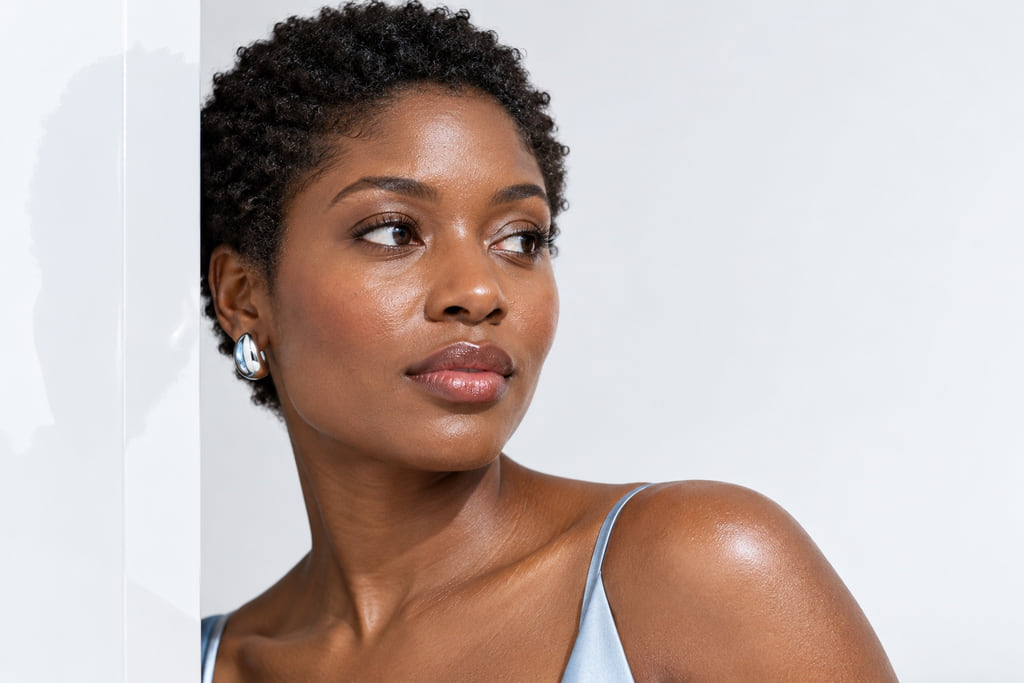
Zenni’s square description emphasizes a more defined jawline. Look at the contour you can see from the sides of your face toward your chin, and write down the words that help. There is no need to turn a jawline into a precise angle or decide which description is better.
Look across descriptions
Start with these six descriptions, then keep the words that match what you notice.
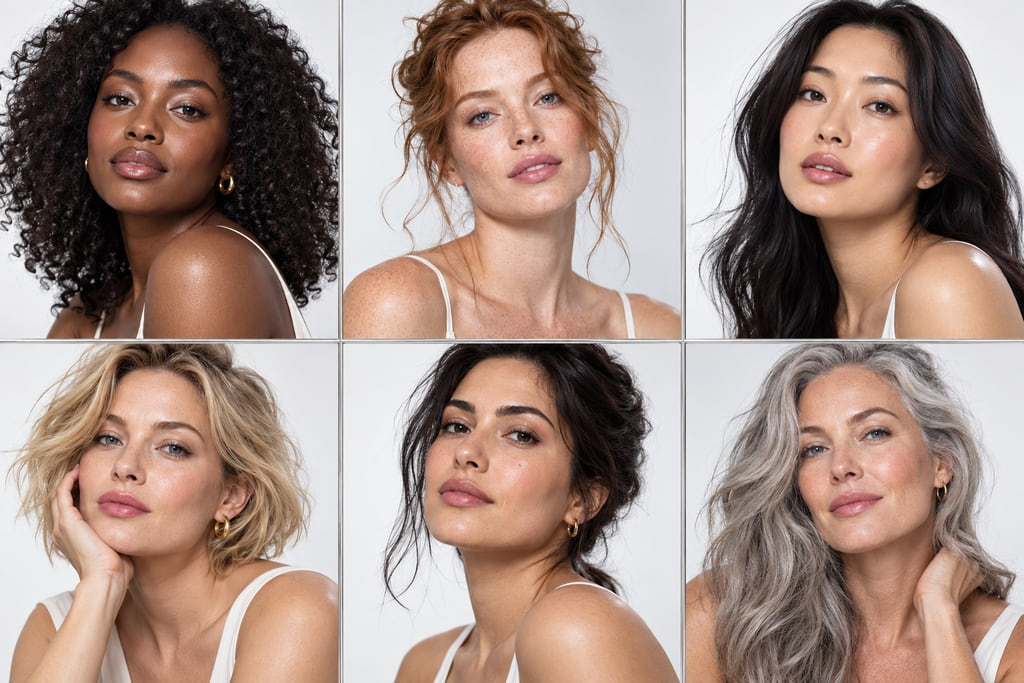
Zenni describes oval as longer than wide with a softly rounded outline. Its glasses guide describes oblong as a long, narrow silhouette. These are short comparisons you can try against what you see, not measurements or rankings.
| Description | Words to notice |
|---|---|
| Round | A rounded jawline and full cheeks. |
| Square | A pronounced jawline, with forehead and cheekbones described at similar widths. |
| Oval | Longer than wide, with softly rounded contours. |
| Oblong | A longer, narrower overall silhouette. |
| Heart | A broader forehead that narrows toward the chin. |
| Diamond | Cheekbones that appear wider than the forehead and jawline. |
Other guides use additional words; Zenni includes “pear,” for example. You may find that your own notes borrow from more than one row. Keep the combination that helps you describe your visible proportions.
Explore the round description ↗Go deeper when it helps

In Zenni’s guide, the heart description places more width at the forehead and less at the chin. The diamond description places more width at the cheekbones, with a narrower forehead and jawline. Look across those regions if the two words seem close to you; no single hairline detail is required.

When one description is useful, follow it into its own profile. Haircuts and frames are separate questions, and the style you want to wear remains your choice.
Your next question
Are there only six face shapes?
No. Six entries are this site’s navigation choice. Zenni’s vocabulary also includes pear, and its oblong description is a long, narrow silhouette. A short list can help you start observing without defining every possible face.
How do heart and diamond descriptions differ?
Zenni’s heart description emphasizes a broader forehead tapering toward the chin. Its diamond description emphasizes cheekbones that are wider than the forehead and jawline. You can compare those areas and keep both words if that better reflects what you notice.