A guide to round face shapes
Compare the outline you notice with a round face description, then explore the haircut guide if that is your next question.
Explore face shapes ↗A face shape description starts with what you can see. Look at the line from the sides of your face toward your chin, then keep the words that feel useful.
Start observing ↗Read the outline
In Zenni Optical’s face shape guide, the round description includes a rounded jawline and full cheeks. You might notice a gentle curve as your eyes travel from the area below an ear toward the chin, without a strongly defined corner along the way. That is a way to describe a visible outline, not a measurement you have to match.
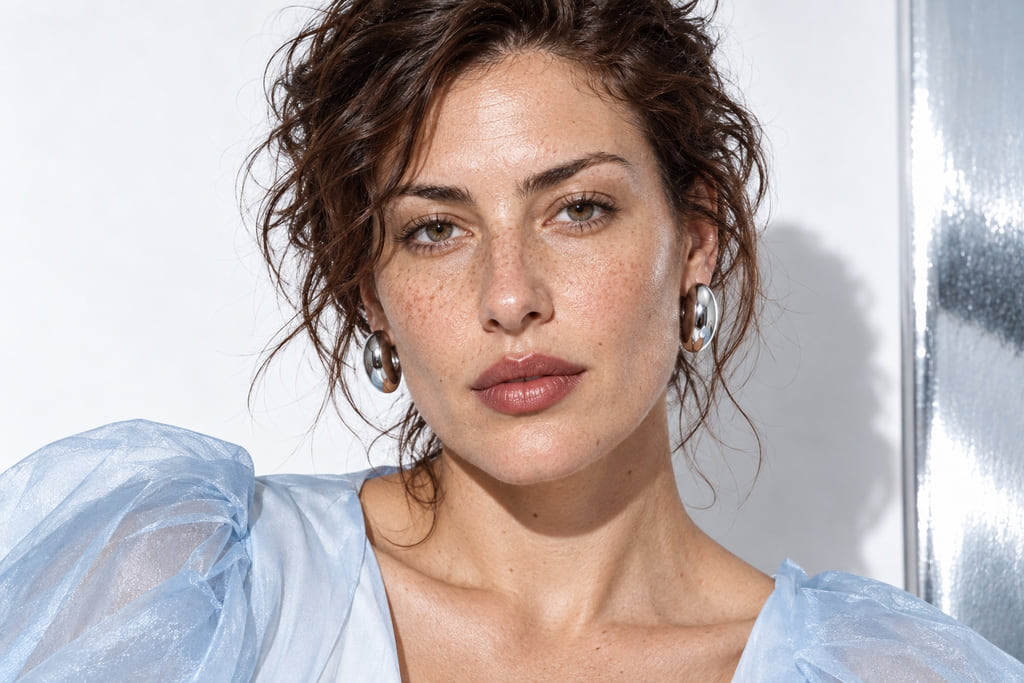
Look at the jawline you can actually see. Hair beside your cheeks may cover part of it; moving it back can make the contour easier to follow. “Round” is a word for the overall impression of this outline and the cheeks. It does not tell you which part comes from bone or soft tissue, and you do not need to settle that question to make a useful note.
Compare descriptions
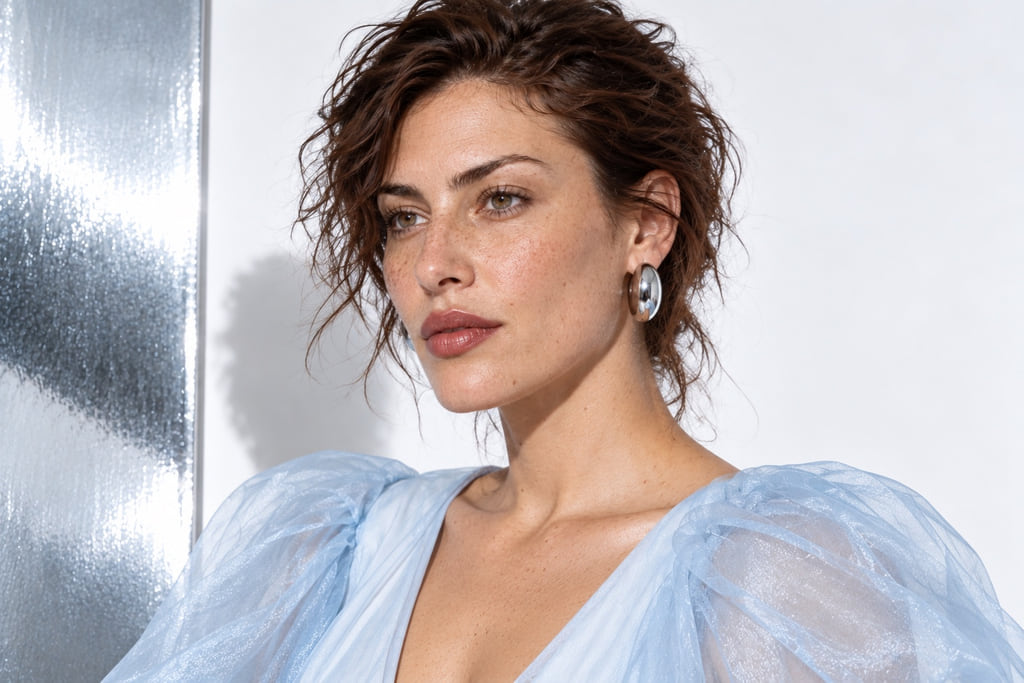
Zenni describes a round face with a rounded jawline and full cheeks. Its square description emphasizes a strong jawline and similar width at the forehead and cheekbones. The useful distinction here is in the words: a softly curving lower outline beside a more pronounced corner. These are descriptions you can compare in a mirror, not angles to calculate from a photograph.
Round description
Softly curved jawline and fuller cheeks.
Square description
More defined jawline; forehead and cheekbone areas described at similar widths.
Your notes may borrow from more than one description. “Curved jawline, broader forehead” says more about what you see than a forced single result. The descriptions are a vocabulary for noticing; Zenni also frames style suggestions as possibilities, with your preferences taking the lead.
Explore face shapes ↗Explore haircuts separately
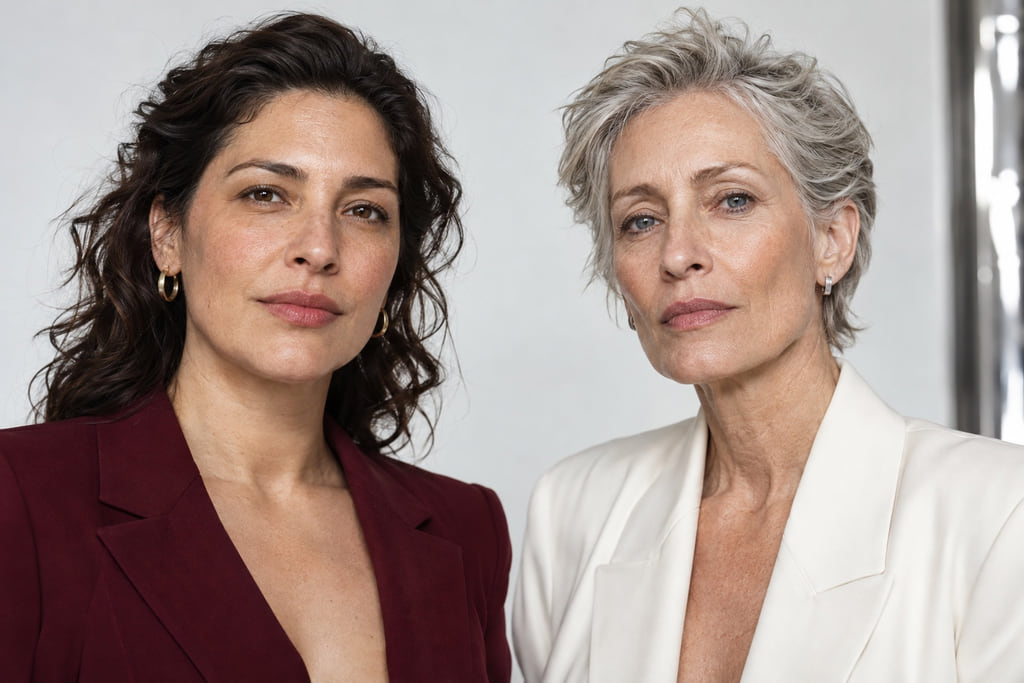
If hair is your next question, begin with what you enjoy wearing. Save two examples of a length or texture you like and take them to a conversation with your stylist. Hair.com suggests bringing haircut photos so you can show the look you have in mind. A round face description does not ban a bob, bangs or any other cut.

This page stays with the outline. For cut ideas and styling details, continue to the separate guide.
Explore haircut ideas ↗Your next question
How is round different from square?
Zenni’s round description uses a rounded jawline; its square description emphasizes a strong jawline. Notice whether your lower outline looks more curved or more angular. You are comparing descriptive words, not a numerical angle.
Must a round face avoid a bob?
No. Face shape suggestions are options, and the cut you like matters most. If a bob interests you, bring a couple of examples to your stylist and talk about the length and texture you want.