A guide to diamond face shapes
Explore a diamond face description and compare it with your observations. Visit the haircut guide for a separate look at styling options.
Explore face shapes ↗Start with the width you notice at your cheekbones. Then look at your forehead and lower outline as separate details.
Start observing ↗Describe what you see
In Zenni Optical’s face shape guide, the diamond description centers on prominent cheekbones, with a narrower forehead and jawline. Think of that as a way to describe where the visible width falls, rather than a set of measurements your face has to match.
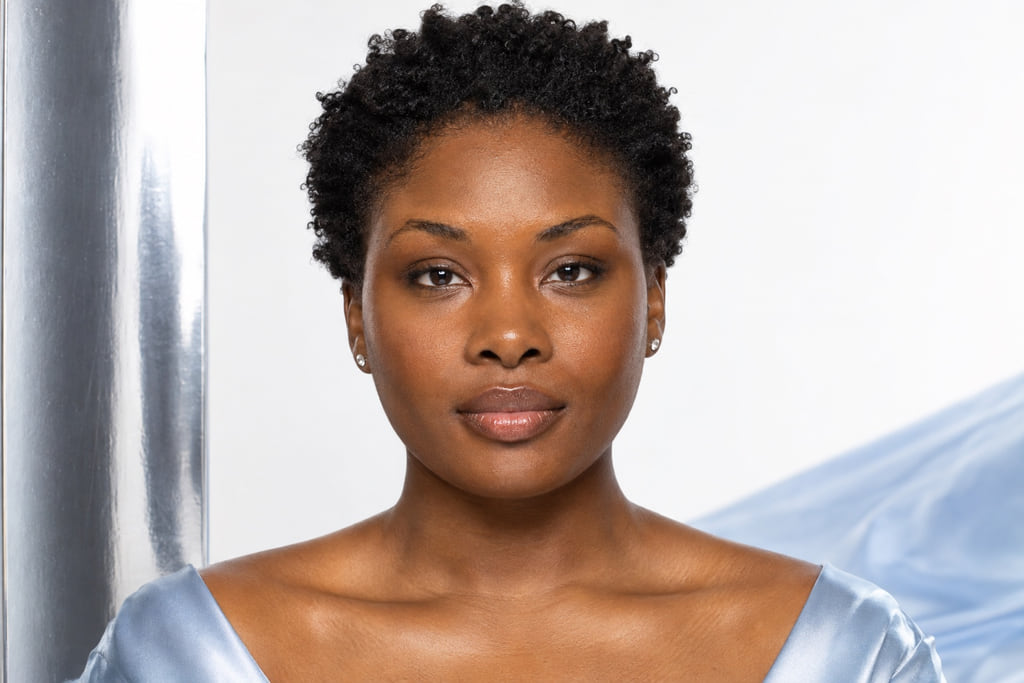
Try writing down two observations instead of jumping to a label: where your cheek area looks widest, and how your jawline moves toward your chin. A natural front view can help you notice those areas without changing the lower face to fit a description. If you want a simple place to start, Start observing with the site’s checklist.
Compare similar descriptions

Diamond and heart descriptions can both draw your attention to the lower outline. The useful distinction in Zenni’s guide is higher up: its heart description points to a broader forehead and narrower chin, while its diamond description emphasizes wider cheekbones relative to the forehead and jaw. There is no precise cutoff you need to find in a mirror.
Diamond description
Cheekbones stand out as the wider area, with a narrower forehead and jawline in Zenni’s guide.
Heart description
A broader forehead and narrower chin are the guide’s main landmarks.
You might recognize parts of both descriptions. Keep a note such as “noticeable cheek width and a fairly broad forehead” if that is closer to what you see. The words are useful when they help you explain an observation; they do not have to settle every feature into one category. Zenni presents styling suggestions as possibilities, with room for your own preferences.
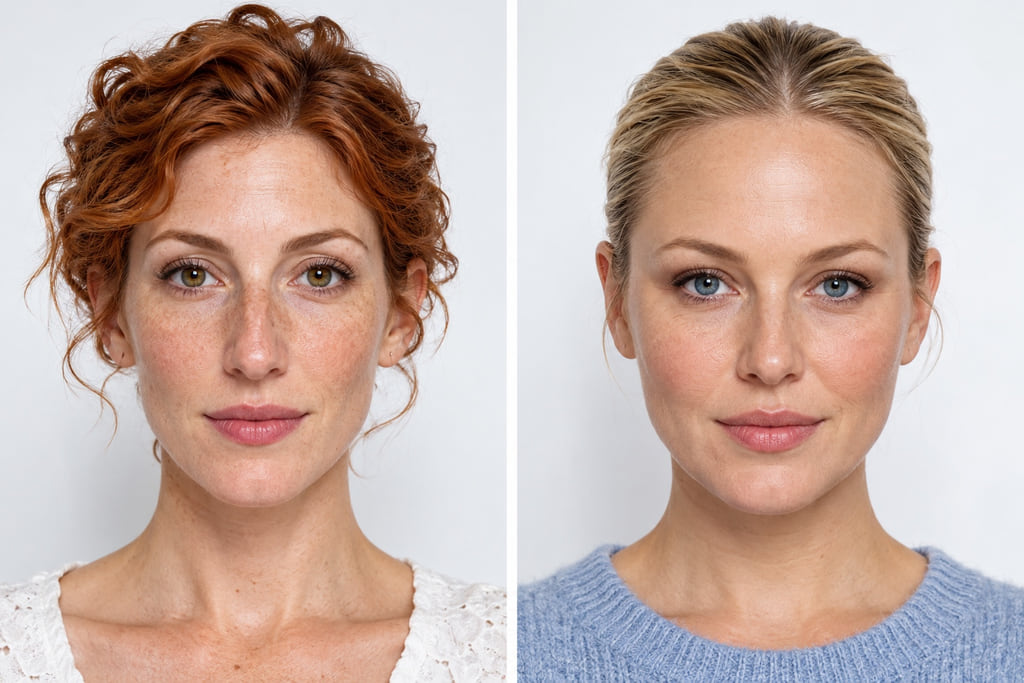
Keep haircuts on their own page
A shape description can give you a starting vocabulary, but it does not choose a haircut for you. If you are thinking about a change, collect photos of cuts you actually like. Hair.com recommends bringing haircut photos to a conversation with your stylist so you can discuss your preferences together.

For haircut ideas, continue to the hairstyle guide. This page stays with the visible outline; the guide helps you think through cuts you want to try. Your hair texture, routine, and taste remain part of that choice.
Your next question
Is diamond the rarest face shape?
This guide does not rank face shapes by rarity. The useful diamond description here is about prominent cheekbones relative to the forehead and jawline, not how many people share that outline.
Where can I explore haircut ideas?
Start with the hairstyle guide. Before talking with a stylist, gather photos of cuts you like and note what appeals to you in each one.