
- Key Takeaways
- The Definitive Haircut Trends 2026
- Complementary Color Directions
- Find Your 2026 Haircut Trends for Different Face Shapes
- The Technology Behind the Trends
- Why These Styles Are Trending Now
- Frequently Asked Questions
Key Takeaways
- 2026 haircut trends lean into sustainability, versatility, and shape with the bio-bob, fluid shag, digital pixie, extended layers, and soft new fringe.
- Matching the cut to your face shape matters more than copying the exact trend photo. Layers, fringe, and length should balance your proportions.
- Color directions for 2026 are polished but wearable: earthy naturals, muted pastels, and glossy dimension instead of harsh contrast.
- New tech like AI previews, smart heat tools, and better bond-care products makes trend adoption easier and less damaging.
- The reason these trends are landing now is simple: people want hair that looks editorial but fits real life, real budgets, and lower-maintenance routines.
- The best haircut trend for you is the one that works with your face shape, hair texture, and styling habits after the salon appointment is over.
Haircut trends in 2026 hit a sweet spot between sharp lines and soft movement. Clean bobs, airy shags, sculpted pixies, and longer layers all feel modern because they are wearable, adaptable, and easier to grow out.
The Definitive Haircut Trends 2026

2026 is shaped by cuts that feel intentional without looking overworked. The strongest trends combine structure with movement and are designed to cooperate with real texture instead of fighting it.
1. The Bio-Bob
A crisp, natural-looking bob that falls somewhere between the jaw and collarbone, often with blunt ends and a soft curve. It suits straight to wavy hair especially well and works beautifully on round, oval, and square faces.
2. The Fluid Shag
The 2026 shag is lighter, softer, and more wearable than older versions. It uses weightless layers, gentle fringe, and movement through the ends to create texture without chaos.
3. The Digital Pixie
A sleek, short, almost futuristic pixie with clean angles and a more polished finish. It is especially strong on faces with visible cheekbones or strong jawlines.
4. The Extended Layers
Longer, softer layers that create movement without obvious disconnection. They work across medium and longer lengths and are one of the easiest trends to personalize.
5. The New Fringe
Fringe in 2026 is softer and more adaptive: curtain, wispy, curved, or lightly micro depending on forehead width and face shape. The key is customization rather than a one-shape-fits-all bang trend.
Complementary Color Directions

The strongest 2026 color directions feel dimensional, polished, and intentionally softer than flat trend-color moments.
- Earthy naturals: espresso, mocha, sand blonde, ginger, saffron, amber
- Muted pastels: dusty rose, pale peach, soft lavender in sheer finishes
- High-gloss dimension: tonal highlights, glossy brunettes, and subtle golden warmth
Earthy Naturals
Rich brunettes, warm blondes, and quieter copper tones keep the hair looking healthy and expensive. They are low-maintenance and grow out better than high-contrast color.
Muted Pastels
Pastels in 2026 are not loud. They are sheer, soft, and easier to wear in real life, especially when paired with cleaner cuts like bobs and pixies.
High-Gloss Dimension
Glossy multi-tonal color makes even simple cuts feel more elevated. A bob with caramel micro-ribbons or a mocha base with shine can completely change how polished a shape looks.
Find Your 2026 Haircut Trends for Different Face Shapes
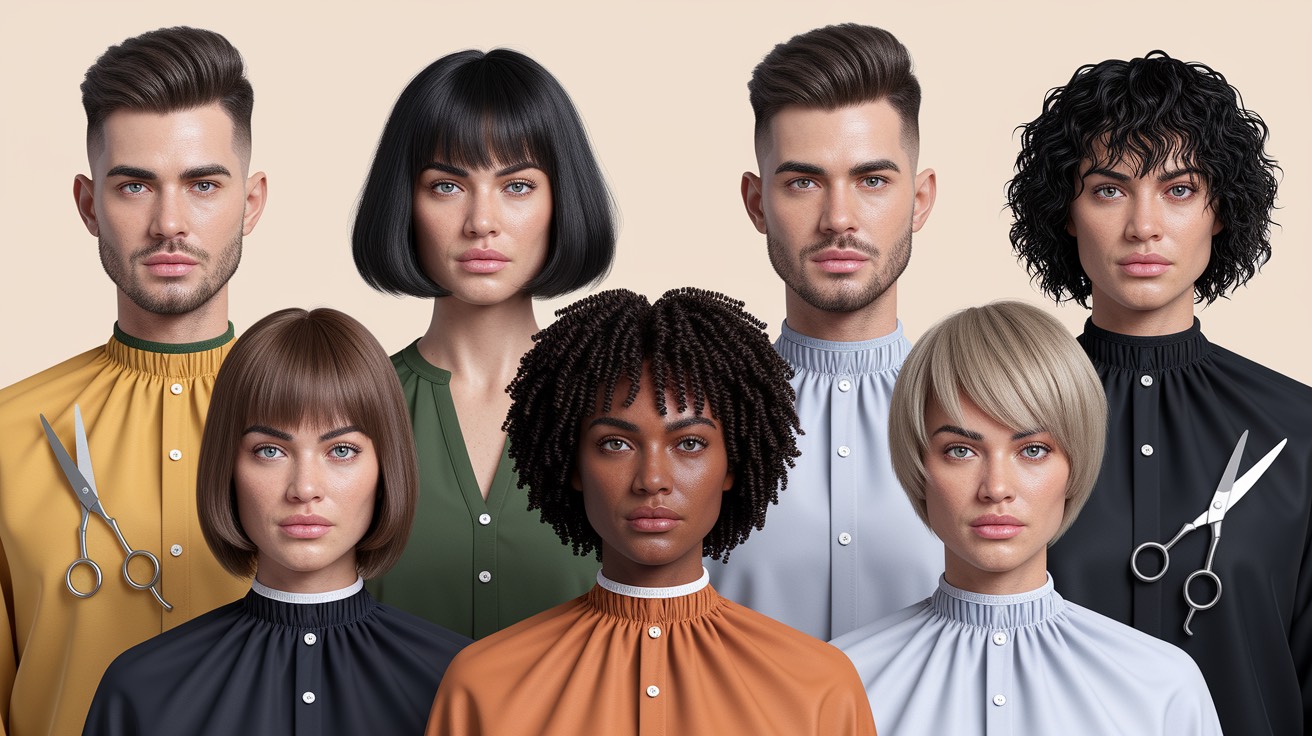
Face shape still matters, but the goal is not rigid rules. It is choosing the version of a trend that supports your proportions best.
- Oval: bio-bob, fluid shag, extended layers, pixie, curtain bangs
- Round: angled bob, layered shag, bixie, side-swept fringe, crown lift
- Square: rounded lob, fluid shag, side part, sweeping fringe, softened pixie
- Heart: chin-length bob, textured lob, bixie, side fringe, curtain bangs
- Long: rounded bob, extended layers, blunt or curtain bangs, soft waves
For Oval Faces
Oval faces can carry almost every major 2026 trend. Bio-bobs, extended layers, soft shags, and pixies all work well as long as the scale stays balanced.
For Round Faces
Round faces benefit most from shapes that add lift or length. Angled bobs, layered shags, and side-swept fringe help the face read more elongated instead of wider.
For Square Faces
Square faces usually look best with softer edges. Rounded lobs, fluid shags, side parts, and sweeping fringe help reduce visual heaviness at the jaw.
For Heart Faces
Heart faces need balance lower on the face. Chin-level fullness, textured lobs, and side or curtain fringe usually work especially well.
For Long Faces
Long faces tend to benefit from width rather than more vertical length. Rounded bobs, waves, and bangs help visually shorten and balance the face.
The Technology Behind the Trends
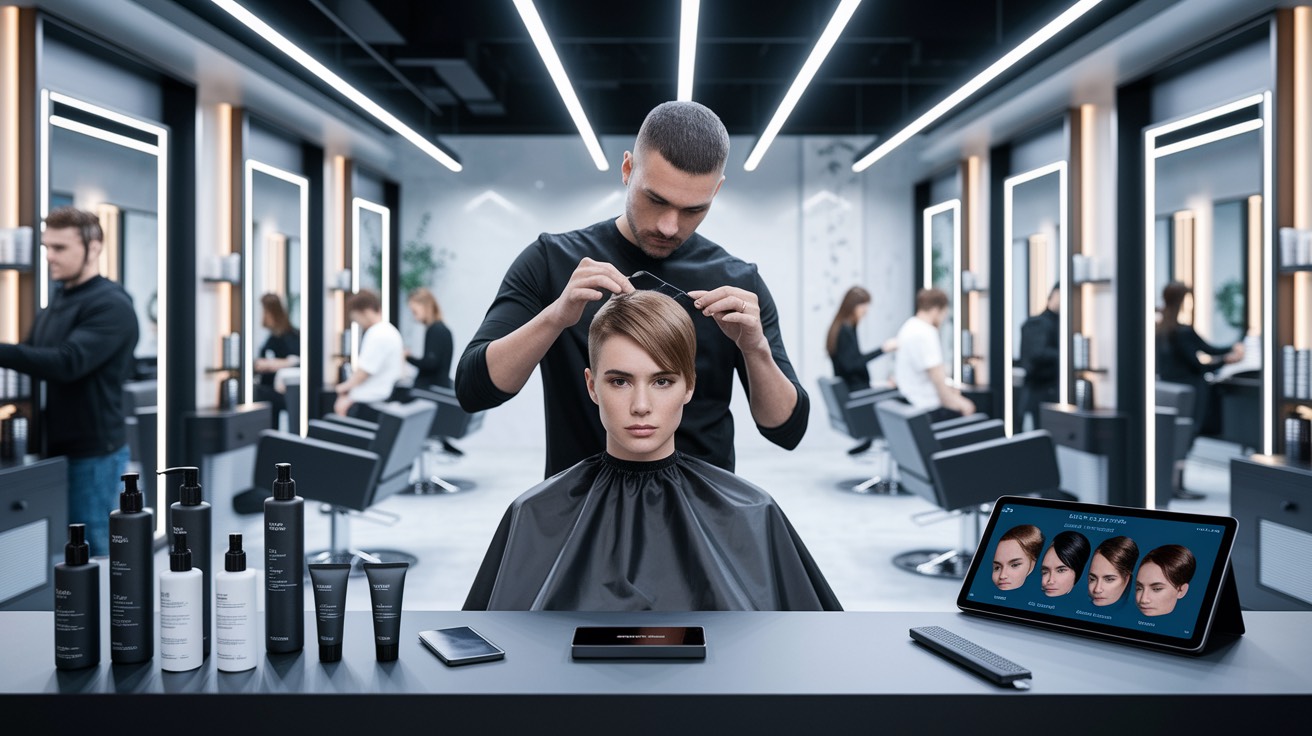
Hair trends now spread faster because people can preview, test, and maintain them more precisely. AI consultations, smart heat tools, and stronger haircare formulas all make it easier to try trend-driven looks without going in blind.
Virtual try-ons and face-shape tools are especially useful because they help people understand not just what is trending, but what actually works on them.
AI Style Previews
AI previews help narrow down which lengths, fringes, and layers look most balanced on your face before you commit in the salon chair.
Smart Styling Tools
Heat tools with adaptive temperature control and better design are making it easier to create cleaner finishes with less damage.
Product Innovations
Bond-repair masks, gloss topcoats, lightweight texture creams, and humidity-resistant stylers all support the cleaner, softer finish that 2026 trends rely on.
Why These Styles Are Trending Now

People want hair that looks polished but does not require full glam every day. That is the core reason these trends are landing now.
Lifestyle Shifts
Hybrid schedules, lower styling time, and a preference for hair that air-dries well have pushed softer, lower-maintenance cuts forward.
Cultural Movements
Retro influence, editorials, celebrity stylists, and social media all help recycle and modernize shapes like shags, fringes, mullets, and clean bobs.
Sustainable Choices
Low-maintenance shape, softer color grow-out, less frequent trims, and more eco-minded salon choices all support the rise of more wearable, flexible cuts.
How to Ask Your Stylist for the Look
Bring three clear references, explain your texture and daily routine, and say what matters most to you: length, fringe, grow-out, volume, or maintenance time.
Ask how the cut will behave when air-dried, how often it needs trims, and what product support it realistically needs at home.
Conclusion
2026 haircut trends are strongest when they feel intentional without becoming high-maintenance. Sharp lines, soft movement, and wearable texture are the thread running through almost every trend.
The best version of the trend is the one that works with your face shape, your texture, and your real life rather than just the salon photo.
Frequently Asked Questions
What are the top haircut trends for 2026?
The biggest haircut trends for 2026 are structured bobs, softer shags, airy long layers, polished pixies, and more customized fringe.
Which haircuts flatter different face shapes in 2026?
Round faces usually suit angled and lengthening shapes, square faces suit softer layers, heart faces suit chin-level fullness, and long faces often look best with width and bangs.
How do I choose a 2026 cut for my hair texture?
Choose a trend that works with your natural density and movement. Fine hair often benefits from bluntness and light layering, while thick or curly hair usually needs more internal shape control.
What color directions complement 2026 haircuts?
Earthy naturals, muted pastels, and glossy dimensional tones all pair well with 2026 cuts because they support movement and polish without overwhelming the shape.
What tech and tools are shaping these trends?
AI previews, smarter heat tools, and better repair-focused styling products are making it easier to choose and maintain modern haircuts.
Why are these styles trending now?
Because people want hair that looks refined but still works with hybrid routines, air-drying, lower upkeep, and more sustainable beauty habits.
How should I ask my stylist for the look?
Bring reference photos, explain your texture and styling habits, and ask how the look grows out, how often it needs trims, and how much effort it takes at home.